
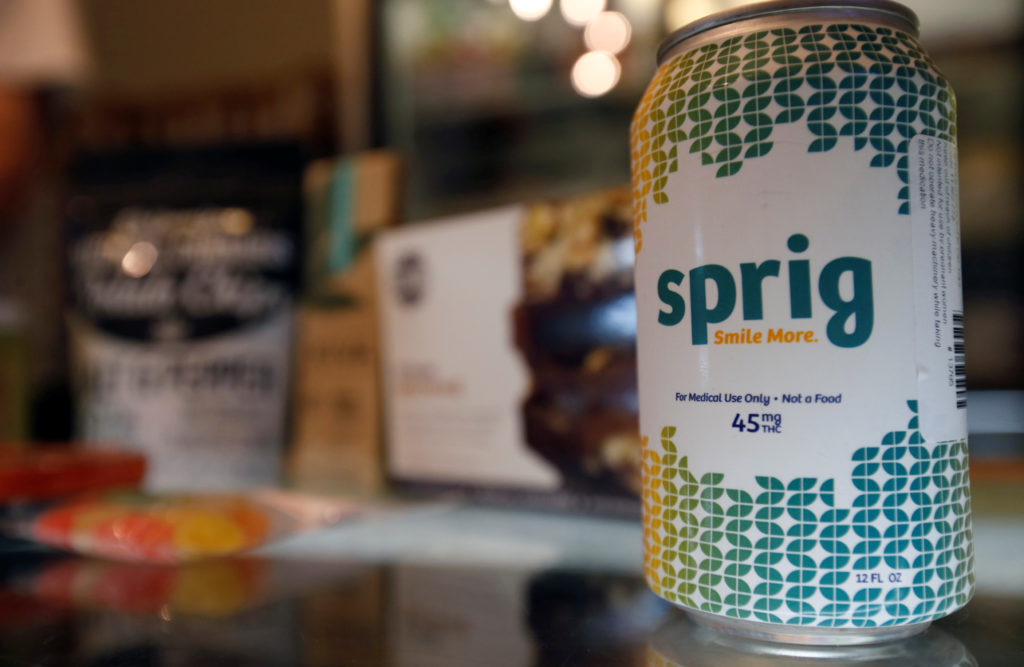
A quiet rearranging of beverage aisles has taken place over the last couple of years. Hemp-derived THC seltzers, once a novelty, stocked beside kombucha, are now taking up a place in coolers where beer distributors have been fighting for decades to make their mark. BudPop have watched the category expand as drinkers rethink what a social beverage should do to their body, their sleep, and their next morning. From its beginnings as a niche experiment, this practice has become a measurable drag on alcohol sales in market after market. Market.
Drinking habits shift
Young adults’ alcohol consumption has decreased for several consecutive years, and it is not the result of abstinence. Social rituals are still popular, but they should be paired with mild, pleasant effects. Drinking Seltzers won’t leave you sluggish after a night of drinking because they don’t leave you with hangovers, empty calories, or empty calories. A moderation culture has reframed self-care from sacrifice into self-care through THC beverages. Seltzers with five milligrams of sodium mirror the pacing of light beer while leaving tomorrow untouched. Bartenders report growing requests for alcohol free options with functional effects, and hosts now stock cannabis beverages beside wine as a standard courtesy for guests. Fitness-minded consumers adopted the format first, then brought it to social circles that had never considered cannabis in any form. Habit change of this kind rarely reverses. Once a consumer finds an alternative that fits their evening better, the old default loses its pull permanently, and each social gathering where seltzers appear normalizes them for someone new.
Beverage aisle competition
Seltzers compete on the exact terms alcohol brands built their empires on, which makes the threat structural rather than seasonal.
- Occasion overlap – Cannabis beverages target the same moments as beer, including barbecues, concerts, game nights, and beach afternoons, rather than inventing new consumption rituals from scratch.
- Format familiarity – Slim cans, mixed flavour packs, and cooler door placement make the trial feel effortless because nothing about the experience requires learning.
- Effect transparency – Precise milligram labelling gives drinkers dosing control that alcohol by volume percentages never truly offered anyone.
- Distribution momentum – Beverage wholesalers who once refused the category now carry it eagerly, since margin per case frequently beats domestic beer.
Social acceptance widens
The stigma that once surrounded cannabis drinks had the effect of limiting them to niche audiences and dedicated shops. With mainstream retailers, delivery platforms, and hospitality venues beginning to normalize the category one at a time, the barrier is gradually dissolving. There is nothing like seeing a THC seltzer in the refrigerator of a neighbour to lead to widespread consumption than seeing it in the fridge of a friend. Each satisfied first trial leads to an advocate who addresses questions no brand could credibly address, while word-of-mouth spreads faster than marketing budgets can reach, and each satisfied testimonial generates an advocate who answers questions no brand could credibly address. There is no doubt that major alcohol companies have noticed this pattern clearly, with some quietly acquiring or incubating cannabis beverage lines as a hedge against their own core business. Several restaurant groups have started listing seltzers on their printed menus in place of treating them as off-menu requests. This is a relatively small change that signals the arrival of seltzers as a full menu item.
Competitive rivalry will intensify rather than settle into peaceful coexistence. With Seltzers holding structural advantages that align with consumer preferences, the beverage industry has adjusted shelf sets, distribution contracts, and portfolio strategy around a rivalry it never expected.