
The art of bluffing: Mastering poker at any casino table
The Basics of Bluffing
Bluffing is an essential skill in poker that allows players to win pots without necessarily having the best hand. Even for beginners, understanding the basics of bluffing can significantly enhance your game. It’s all about reading the table and assessing when your opponents might be weak. A well-timed bluff can convince your opponents to fold, allowing you to take the pot even with a mediocre hand. The art lies in the execution; it’s not sufficient to simply raise your chips and hope for the best.
To effectively bluff, you must also consider your table image. If you’ve been playing tightly, a sudden aggressive bet can work wonders. Conversely, if you’ve been bluffing frequently, opponents may catch on, rendering your future attempts less effective. Therefore, understanding when to bluff and when to be conservative is key to mastering this essential component of poker.
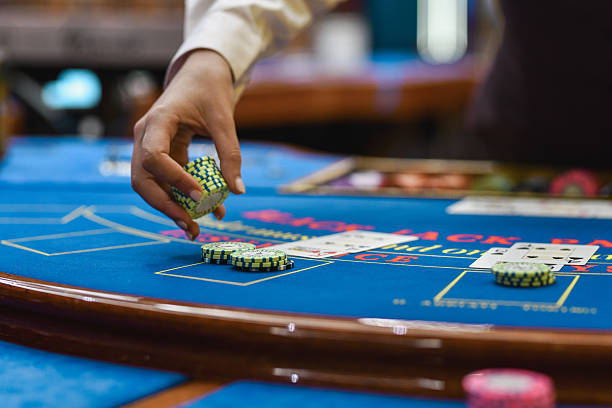
Moreover, practicing your bluffing technique can help solidify your confidence in making those tough calls. Many players think they can bluff simply by raising their bet, but it requires a nuanced understanding of the game, psychology, and timing. Engaging in practice games where you can experiment with different bluffing strategies can sharpen your skills and prepare you for live scenarios.
Recognizing the Right Moments
Knowing when to bluff is as crucial as knowing how to bluff. Ideal situations often arise when you are in a late position and observe your opponents’ behaviors closely. If they display weak actions such as checking or calling consistently, it’s a signal that they may not have strong hands, making them prime candidates for a bluff. Timing your bluff to coincide with these moments can dramatically increase your chances of success.
Moreover, the texture of the community cards also plays a significant role. Flop cards that suggest high potential for straights or flushes can provide fertile ground for a well-calculated bluff. If you notice that the board doesn’t support your opponent’s potential hand and you have a credible story to tell, this could be the perfect opportunity for a successful bluff.

Additionally, it’s critical to maintain a dynamic approach. Adapting your bluffing strategy to the tendencies of your opponents can keep them guessing. Some players may fold quickly at the sight of aggression, while others may only become more determined. Observing these patterns can help you refine your bluffing attacks to fit the unique circumstances of each game.
Body Language and Tells
Another integral part of bluffing involves understanding both your own body language and that of your opponents. Subtle behaviors such as fidgeting, avoiding eye contact, or a sudden change in posture can reveal whether someone is bluffing or holding a strong hand. Observing these tells allows you to gauge the strength of your opponents’ hands, providing insight into when to make your move.
It’s also essential to maintain a consistent demeanor throughout your gameplay. If you’re typically calm and then suddenly anxious when you make a massive bet, players may pick up on this inconsistency. Strive to maintain a poker face that remains unreadable, allowing you to execute bluffs more effectively without giving away your true intentions.
Furthermore, the awareness of common tells not only aids in your bluffing but can also protect you from being bluffed yourself. Knowing what to look for can help you recognize when others might be trying to dupe you, leading to better decision-making and ultimately, greater success at the table.
The Role of Position in Bluffing
Your seating position at the table can significantly influence your bluffing potential. Players in late positions often possess more power in poker games, enabling them to see how opponents act before making their decisions. This advantage allows for more informed bluffing attempts. Conversely, early positions can be risky, as playing aggressively without sufficient information can lead to substantial losses.
Using your position strategically also involves choosing your battles wisely. Bluffing against a weaker player can prove more fruitful than attempting to outsmart a seasoned veteran who may see through your tactics quickly. Understanding how your location at the table affects your ability to bluff can be a game-changer.
Position is also about the psychological edge it provides. When you’re in a more favorable position, you not only have the advantage of information but can also exert pressure on opponents. This additional layer of dynamics intensifies the mental game of poker, making it more engaging and challenging.
Enhancing Your Game with Resources
Improving your bluffing skills involves not just practice at the tables but also utilizing various resources available online. Websites and courses can provide tutorials, tactics, and player discussions that enrich your understanding of bluffing. Engaging with the poker community enables you to share experiences and gain insights that can refine your abilities further.
For those eager to explore the world of online gaming, check out the top 10 online casino australia for varied options. Practicing your skills in a safe environment can boost your confidence, allowing you to take your game to live casino tables with more finesse and assurance.
Ultimately, enhancing your skills through a variety of methods—practicing, studying, and even discussing strategies with other players—can create a holistic approach that transforms your game. The combination of theory and practice will undoubtedly make you a more formidable player, ready to tackle any challenge on the poker table.