
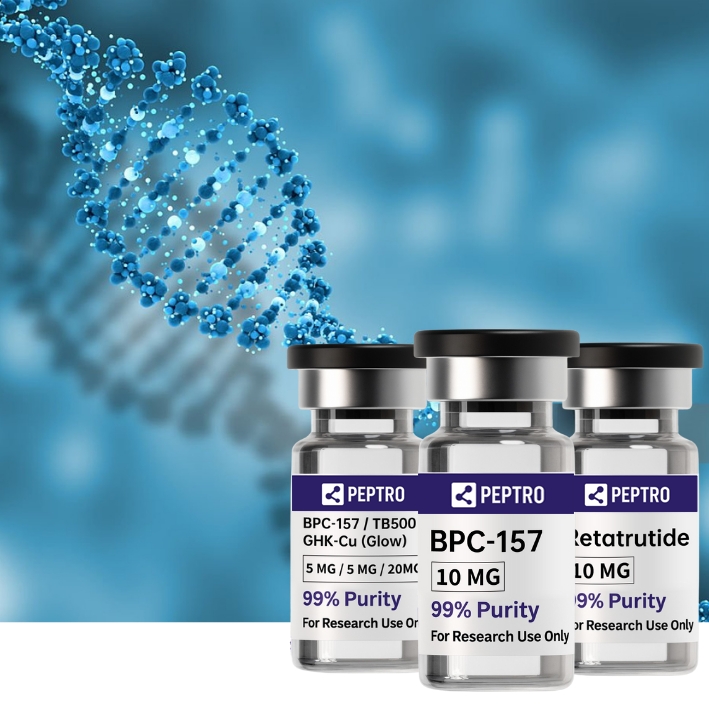
Serious athletes are always looking for an edge. Not a shortcut—an edge. Something grounded in science that supports real, measurable gains in muscle, recovery, and performance. Over the past decade, peptide-based research has moved from academic labs into mainstream performance science, and the data behind it is hard to ignore. The growing interest in peptides for bodybuilding reflects a broader shift toward precision-driven approaches to physical performance, where compounds are selected based on their specific biological targets rather than broad, blunt-force supplementation.
So what does the research actually show? And why are more athletes and researchers paying close attention to this category of compounds?
The Scale of Interest Is Growing Fast
The global peptide therapeutics market was valued at approximately USD $38.5 billion in 2022 and is projected to exceed $80 billion by 2030, according to Grand View Research. While much of that growth is driven by pharmaceutical applications, the performance and research segments are expanding in parallel. Search interest in peptide-related topics has grown significantly year over year, particularly in North America, where sports science communities have embraced peptide research as a legitimate area of inquiry.
What Makes Peptides Relevant to Muscle Growth and Recovery?
Peptides are short chains of amino acids—the same building blocks that make up proteins. Because of their small molecular size, they interact with biological systems in highly specific ways. Unlike broader compounds, many peptides are designed to engage particular receptors or pathways, making them attractive subjects for targeted research.
Several peptide classes have drawn particular attention in the bodybuilding research space:
Growth Hormone Secretagogues (GHS): Compounds like Ipamorelin and Tesamorelin work by stimulating the pituitary gland to produce more growth hormone. Research suggests this pathway plays a key role in lean muscle preservation, fat metabolism, and recovery between training sessions.
BPC-157: This 15-amino-acid peptide has been studied extensively for its role in tissue repair. Research published in peer-reviewed journals has highlighted its potential to accelerate tendon, ligament, and muscle recovery—a significant consideration for athletes training at high volumes.
TB-500 (Thymosin Beta-4): Known for its role in cell migration and repair, TB-500 has been studied in the context of reducing inflammation and promoting faster recovery from musculoskeletal stress.
GHK-Cu: A copper peptide with a growing body of research around cellular regeneration, collagen synthesis, and anti-inflammatory activity—factors that contribute to long-term structural integrity in trained athletes.
Recovery: Often the Limiting Factor
Training volume only produces results when recovery keeps pace. Research consistently shows that inadequate recovery is one of the most common limiting factors in athletic progress. A 2019 review published in the International Journal of Sports Physiology and Performance found that recovery optimization—including interventions targeting inflammation and tissue repair—had a statistically significant effect on performance outcomes over a 12-week training cycle.
This is where peptide research intersects most directly with practical bodybuilding science. Compounds that support faster cellular repair, reduce systemic inflammation, and optimize hormonal signaling have clear theoretical relevance to the demands of high-frequency resistance training.
Purity Matters More Than Most Realize
One factor that often gets overlooked in discussions about peptide research is purity. Impure compounds introduce variables that compromise research validity. Studies examining the effects of substandard peptide batches have noted inconsistencies that make data interpretation difficult. Researchers working with peptides should prioritize suppliers who verify purity through High-Performance Liquid Chromatography (HPLC) and Mass Spectrometry (MS)—the gold standard analytical methods in peptide science.
A Research Category Worth Watching
The intersection of peptide science and physical performance is evolving quickly. As analytical methods improve and the body of peer-reviewed research expands, the precision these compounds offer will only become more valuable to researchers and performance scientists alike. For those committed to evidence-based approaches, this category represents one of the more compelling frontiers in applied sports science today.